Why context changes everything
 Dog People Evolution Team
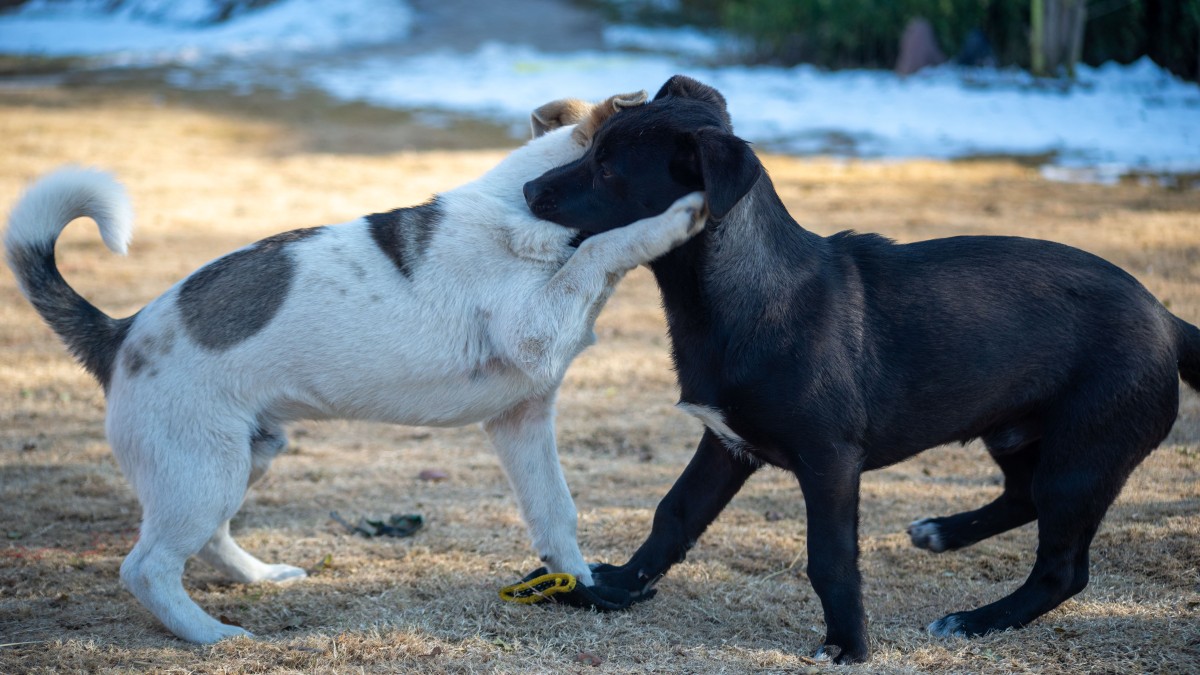
One behavior can have completely different outcomes and meaning depending on context, but many dog people often look past it.
Why Context Changes Everything
A dog barks.
Simple enough.
But what does it mean?
The Same Behavior, Different Story
A dog barking at the door.
A dog barking during play.
A dog barking when left alone.
Same behavior.
Completely different contexts.
And that context changes everything.
In the conversation inside Dog People Evolution, Tess Erngren emphasizes how easy it is to focus on the behavior itself - while missing the bigger picture.
Looking Beyond the Surface
Behavior is what we see.
But it’s not the whole story.
Behind every behavior, there’s something driving it:
Emotion.
Environment.
History.
Motivation.
And without understanding those factors, we’re only working with part of the picture.
When We Miss the Context
If we treat all barking the same, we risk responding in the wrong way.
Trying to stop play barking the same way we would address distress barking doesn’t just fail -
It can make things worse.
Because the underlying need is different.
Slowing Down the Process
Understanding context requires a different approach.
Less rushing to fix.
More time observing.
What’s happening before the behavior?
What happens after?
What might the dog be experiencing?
These questions create clarity.
Better Decisions
When we understand context, our responses change.
They become more precise.
More relevant.
More effective.
Because we’re no longer guessing.
We’re responding to what’s actually there.
👉 That deeper level of understanding is exactly what the conversations inside Dog People Evolution are designed to explore.
You can join our Safe Space membership here: https://dogpeopleevolution.newzenler.com/courses/dpe-safe-space-member
Categories: : Blog