Points of view: Why the dog world needs more curiosity and less certainty
 Dog People Evolution Team
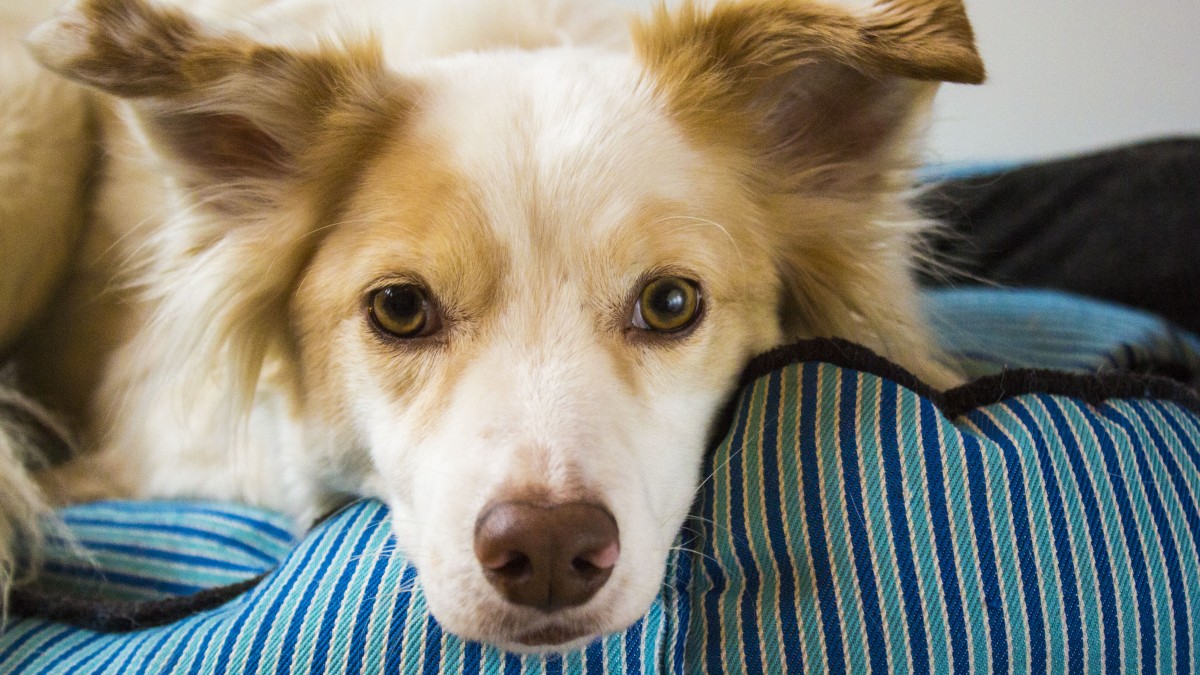
Seeing dogs and dog owners with different points of view, through different filters. Understanding the dog and being openminded.
Points of View: Why the Dog World Needs More Curiosity and Less Certainty
The dog world is full of strong opinions.
Spend five minutes on social media and you’ll see it.
Training methods debated.
Experts criticized.
Owners judged.
Everyone seems convinced that their perspective is the right one.
But what if the real key to understanding dogs isn’t certainty — but perspective?
In a recent Dog People Evolution conversation, researcher Katriina Tiira and ethologist Karolina Westlund explored something that might be one of the most important ideas in the dog world today:
Our experience with dogs shapes how we see dogs.
And until we understand that, we may keep talking past each other.
The Dog That Changes Your Perspective
Katriina Tiira once believed what many dog trainers believe early in their careers.
If a dog is aggressive or difficult, it must be because of the owner.
Then she got a dog who challenged everything she thought she knew. Her giant schnauzer was brilliant. Successful in competitions. Highly capable.
But he was also extremely difficult to live with — aggressive toward other dogs and unpredictable in social situations. Over time, she learned something that changed her understanding forever:
Some dogs are simply wired differently.
Genetics matter. Personality matters. Cognitive traits matter.
And the dogs we live with deeply shape how we think about dogs in general.
Someone who has only lived with cooperative retrievers may have a very different picture of “what dogs are like” than someone who has lived with powerful working breeds or highly independent dogs.
Both people think they understand dogs. But they’re looking through completely different lenses.
The Invisible Filters We All Carry
Karolina Westlund describes something similar from the scientific world.
At conferences she often finds herself surrounded by people from completely different disciplines — behavior analysts, veterinarians, ethologists.
Each field studies behavior, but from different angles.
The result?
Different assumptions.
Different interpretations.
Different conclusions.
Sometimes even conflict.
But the most interesting insight she shared was this:
Humans naturally trust people inside their “tribe” and distrust people outside it.
It’s a cognitive bias we all have.
So when someone from another camp presents new ideas, our first reaction isn’t curiosity. It’s resistance.
This doesn’t just happen in politics. It happens in the dog world every single day.
The “Yellow Umbrella” Idea
To deal with this, Karolina proposes a simple metaphor.
Imagine every person carries a stack of umbrellas.
Some are yellow — the ideas we agree with.
Some are black — the ideas we strongly reject.
When we encounter someone with a completely different viewpoint, we tend to focus on the black umbrellas.
The disagreement.
The conflict.
But real dialogue starts when we look for the yellow umbrella.
The one idea we share.
The moment we find common ground, something important happens:
Trust begins.
And once trust exists, learning becomes possible.
Why Judging Dog Owners Often Misses the Point
Another powerful idea from the conversation is something many dog professionals struggle with:
We often assume that when a dog behaves badly, the owner must have done something wrong.
Sometimes that’s true. But not always.
Genetics, cognitive traits, impulsivity, and breed differences all influence behavior.
In fact, research on police dogs has shown that certain genetic traits are linked to impulsivity and aggression — traits that then influence how handlers respond during training.
This doesn’t mean training methods don’t matter. But it does mean the picture is more complicated than we often admit.
And when we shame owners online without understanding their situation, we may actually push them further away from better solutions.
The Moment Understanding Changes Everything
One of the most powerful stories from the conversation came from Katriina’s cognitive testing work with dogs.
A man once brought a puppy to be tested. The dog was extremely independent and difficult to train.
During the session, Katriina explained the dog’s personality traits and cognitive style.
The man didn’t say much. He just nodded and left.
Years later he returned and said something unforgettable:
“You saved our dog’s life.”
Before the test, he had been considering euthanizing the dog because he didn’t understand it.
After the test, everything suddenly made sense.
The dog hadn’t changed.
The owner hadn’t changed.
But their relationship had.
Understanding created compassion.
And compassion changed everything.
What Dogs Might Say If They Could
Near the end of the conversation, our host Matt Beisner asked a simple question:
“If a dog could tell you one thing, what would it say?”
Katriina didn’t hesitate.
She said the message would probably be:
“Please understand me.”
Understand who I am.
Understand what I need.
Understand how I think.
In many ways, that may be the most important lesson in the entire dog world.
Because when we understand dogs better, we also start understanding each other better.
The Dog World Needs More Conversations Like This
At Dog People Evolution, these are exactly the conversations we believe the dog world needs more of.
Not debates designed to prove someone wrong. But discussions that expand perspective.
Conversations that bring together researchers, trainers, behaviorists, and dog lovers who are willing to stay curious.
Because when we step outside our own silos, something remarkable happens:
We start seeing dogs — and people — more clearly.
Want to Go Deeper?
This article only scratches the surface of the conversation between Katriina Tiira and Karolina Westlund.
Inside Dog People Evolution, you can buy the full video discussion — along with many more conversations with leading thinkers in the dog world.
If you care about:
• understanding dogs more deeply
• expanding your perspective
• becoming a more thoughtful dog professional or owner
then you’ll feel right at home inside the DPE community.
Join the Dog People Experience membership today and join in on our monthly Community Hour talk. CLICK HERE!
Because the future of the dog world might not depend on having the right answers.
It might depend on asking better questions.